
Tropical Home Health Guide: Gentle Conditioning for Tropical Climate
Tropical Home Health Guide: Gentle Conditioning for Tropical Climate
Tropical regions have year-round high temperature and humidity, which easily lead to physical discomfort such as fatigue, gastrointestinal discomfort and sticky skin. Long-term neglect will affect physical condition. Based on authoritative public health research, this guide provides a simple, equipment-free home gentle conditioning plan, covering three dimensions: schedule, diet and environment. Suitable for the elderly, children, office workers and all groups, it can be easily integrated into daily life to protect the health of the whole family.
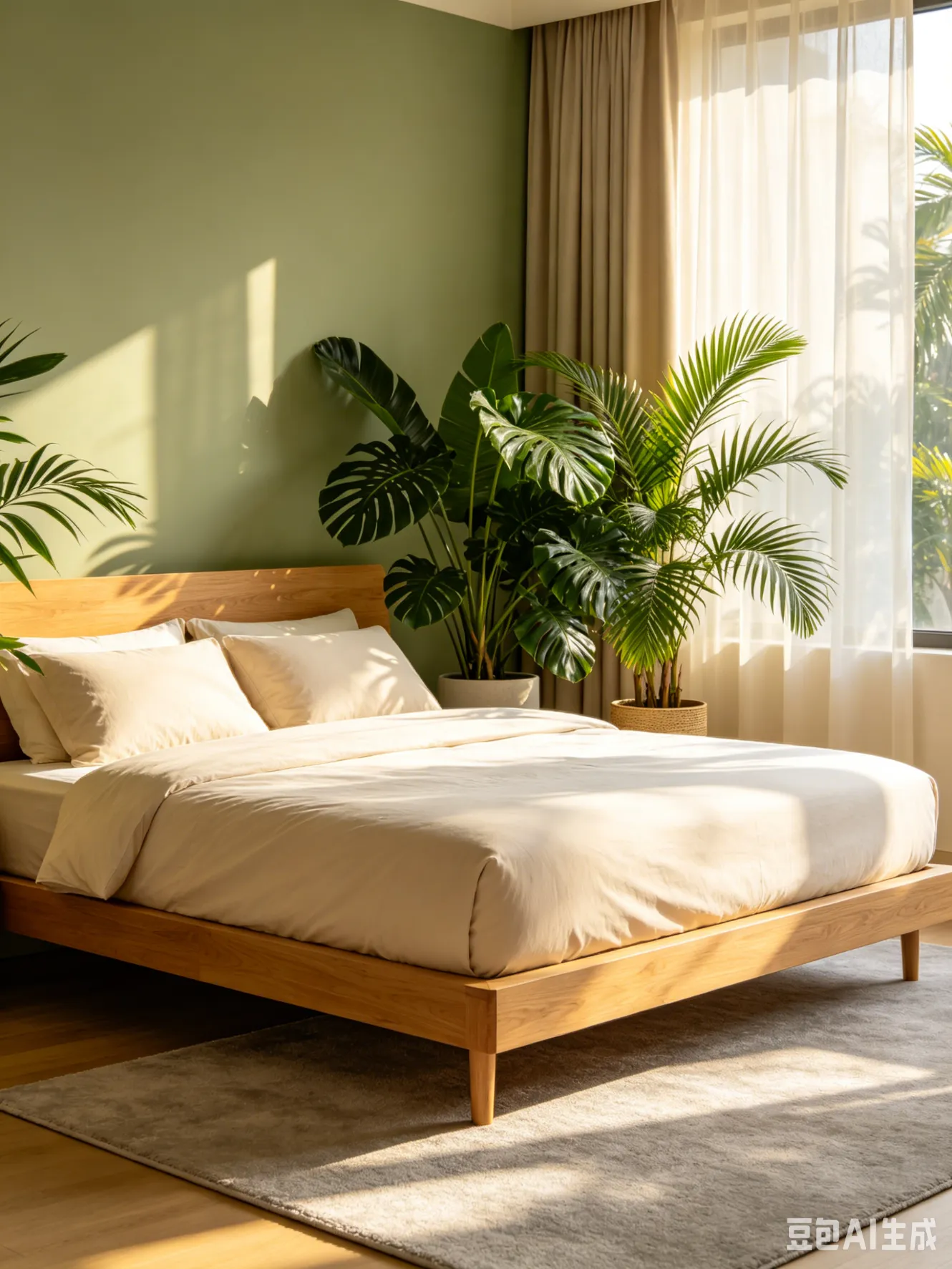
The Impact of Tropical Climate on Home Health, Pay Attention to These Details
High Temperature and Humidity Easily Cause Physical Discomfort
Tropical regions have high temperatures all year round and high air humidity, which accelerates human metabolism and easily causes symptoms such as fatigue and shortness of breath. At the same time, the humid environment is prone to bacterial growth, and problems such as gastrointestinal discomfort and skin itching are also common. Especially the elderly and children with weak resistance need more focused conditioning.
Hidden Health Hazards in Home Environment
In a high-temperature and humid environment, home clothes and bedding are prone to moisture and mold, breeding mites and bacteria; poor indoor ventilation can lead to decreased air quality. Living in such an environment for a long time is likely to cause respiratory discomfort and affect sleep quality.
Three-Dimensional Gentle Home Conditioning, Adapt to Tropical Climate
1. Schedule Conditioning: Comply with the Climate, Combine Work and Rest
Follow the tropical climate characteristics of "short days and long nights", avoid going out during the high-temperature period at noon. Take a proper nap for 15-30 minutes at noon to relieve morning fatigue and replenish energy; try to go to bed before 23:00 at night, ensure 7-8 hours of sleep, avoid staying up late, reduce the consumption of the body by high temperature, and allow the body to fully recover.
2. Diet Conditioning: Light and Mild, Adapt to Physical Fitness
Daily diet should be light and mild, eat more fresh fruits and vegetables rich in vitamins (such as winter melon, loofah, watermelon, etc.) to help clear heat and dampness; reduce the intake of spicy, greasy and cold food to avoid stimulating the intestines and stomach; you can drink an appropriate amount of natural herbal tea (such as lotus leaf tea, chrysanthemum tea) to gently clear heat, replenish water and condition the body, which is in line with tropical home health habits.
3. Environment Conditioning: Ventilate and Dehumidify, Clean and Comfortable
Open windows for ventilation 2-3 times a day, 30 minutes each time, to keep indoor air circulation and reduce moisture and bacterial growth; dry clothes and bedding in time, and use a dehumidifier to help reduce indoor humidity, especially in the rainy season, which needs to increase the frequency of ventilation and drying; clean the home environment regularly, focus on cleaning water-prone areas such as corners and balconies, and reduce health hazards from the source.
Key Notes for Tropical Home Health Conditioning
1. The core of conditioning is "gentleness", avoid excessive tonic or strong conditioning, adapt to the physical state under tropical climate;
2. When going out in high temperature weather, do a good job in sun protection to avoid heatstroke, and properly replenish warm water after returning home to cool down gently;
3. The elderly, children and people with weak constitution need to adjust the conditioning method according to their own situation to avoid catching cold or excessive heat clearing;
4. If symptoms such as persistent fatigue, gastrointestinal discomfort and skin itching occur, adjust the conditioning plan in time and seek medical examination if necessary.